Home Window Tinting: Benefits and Guide
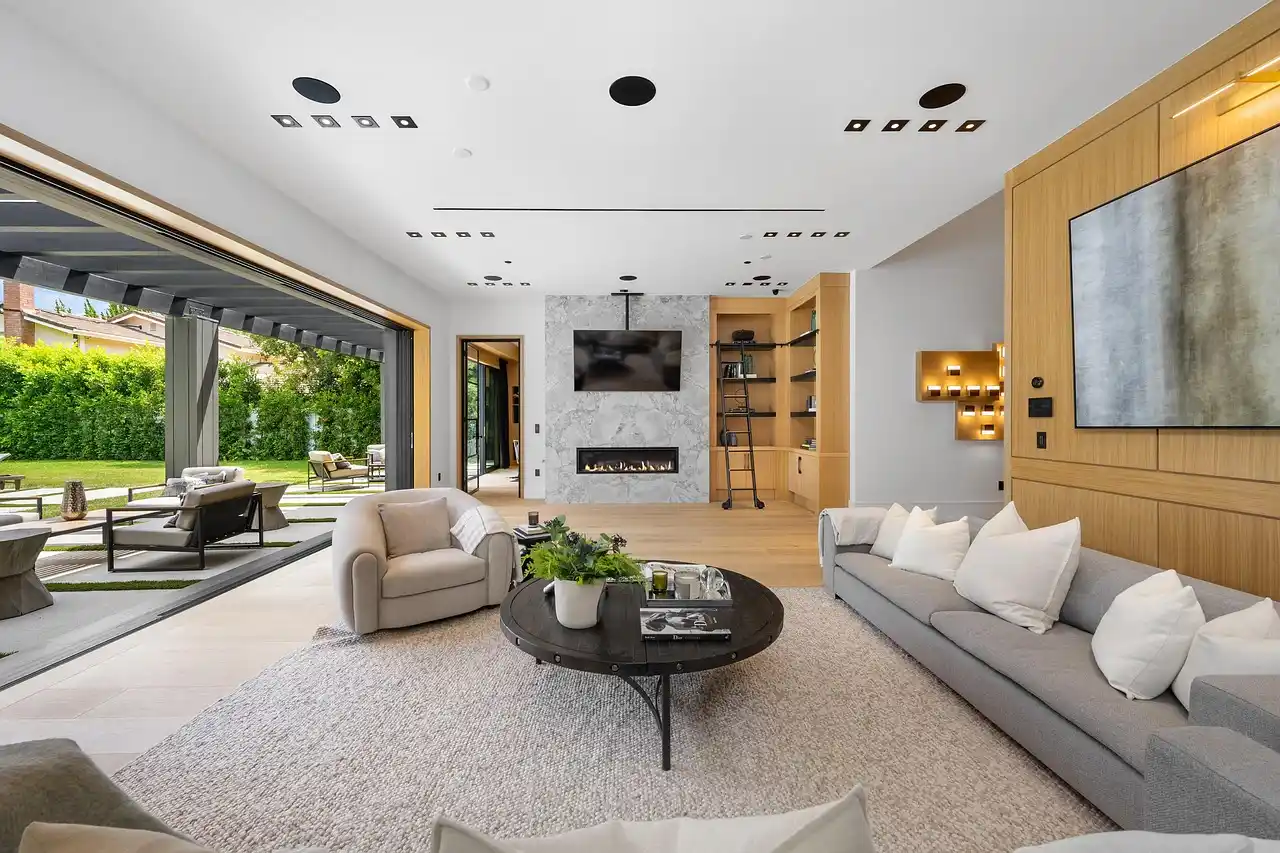
Home window tinting is a modern solution that enhances comfort, privacy, and energy efficiency by applying a thin film to the interior surface of your windows. For homeowners seeking to reduce heat gain, protect furnishings from fading, and improve daytime privacy, investing in high-quality window film can pay off over time. In this guide, we cover how home window tinting works, the benefits, the main tint types, cost considerations, and how to choose a trustworthy installer to ensure EEAT compliance and long-term satisfaction.
What is home window tinting?
Window tinting involves applying a tinted film to the interior glass. The film blocks a portion of infrared heat, reduces glare, and filters ultraviolet light while preserving visibility. The best films are optically clear, durable, and designed to stay on the glass for years. It is not the same as blinds or shades; window tinting is a permanent film that alters the glass surface without blocking light entirely.
Key benefits of home window tinting
Energy savings: By reflecting or absorbing heat before it enters, tinted windows decrease cooling loads in hot months, which can lower utility bills. UV protection: Most window films block up to 99% of harmful ultraviolet rays, slowing fading of furniture, flooring, and artwork while protecting skin. Glare reduction: Tinting softens harsh daylight, improving comfort for activities like watching TV or using screens. Privacy and security: Tinted windows offer daytime privacy and can deter break-ins when used with stronger films or laminated layers. Preservation of interior longevity and less wear on HVAC equipment accompany these advantages.
Common tint types and how to choose
Tint technologies vary in heat rejection, color stability, and cost. The table below provides a quick comparison to help you pick the right home window tinting option for your climate and budget.
| Tint Type | UV Rejection | Glare Reduction | Privacy | Drawbacks | Estimated Cost per Window |
|---|---|---|---|---|---|
| Dyed Tint | 60-90% | Low-Moderate | Low-Moderate | Prone to fading, color changes over time | 120-400 USD |
| Metalized Tint | 99% | Excellent | Moderate | Possible interference with electronics and radio signals | 150-500 USD |
| Ceramic Tint | >99% | Excellent | High | Higher upfront cost | 200-800 USD |
| Carbon Tint | >99% | Good | High | Typically durable and less reflective | 180-650 USD |
| Hybrid Tint | 80-95% | Moderate | Moderate | Balanced performance, mid-range price | 150-600 USD |
Cost, installation, and maintenance
Costs vary based on window size, film type, and local labor rates. On average, home window tinting can range from 3 to 10 dollars per square foot for materials, with professional installation adding to the total. DIY kits exist but misapplication can cause hazy views or bubbling; for best results, hire a reputable installer with proper training and tools. Maintenance is simple: wipe with a non-abrasive cleaner and avoid harsh chemicals that can degrade the film. Most high-quality films come with warranties against bubbling, delamination, or detachment from the glass.
Choosing a reputable installer
To uphold EEAT standards, select a contractor with verifiable experience, clear warranties, and certifications. Look for firms that specialize in window film, provide before-and-after photos, and carry product warranties from major brands. Certifications from industry groups such as the International Window Film Association (IWFA) reflect training in safe installation practices, heat reduction performance, and proper cleaning. Request written estimates, ask about heat-rejection ratings relevant to your climate, and verify past customer references. A qualified installer will measure windows, discuss film options, perform a precise installation, and ensure a bubble-free finish.
Frequently asked questions
Is home window tinting legal everywhere? Most places allow tinted film, but some jurisdictions impose limits on darkness or reflectivity for street-facing windows. Do tinted windows block heat equally in winter? They primarily reduce heat gain in summer, but some films help retain interior heat depending on the film’s infrared properties. Can tinting be removed? Yes, professional technicians can remove window film, though it’s easier if the film is installed with quality adhesives and proper preparation. Will tinting affect window warranties or rebates? Check with the window manufacturer and local energy programs; many installers honor warranties, while some films may affect certain glass warranties if installed improperly.
Summary Home window tinting offers measurable energy savings, UV protection, glare control, and privacy while requiring careful selection of type, installer, and warranty. By understanding tint types, cost ranges, and installation steps, homeowners can choose a solution that fits climate, budget, and long-term goals. Remember to verify credentials, review product warranties, and plan for maintenance to maximize the life and performance of your home window tinting investment.